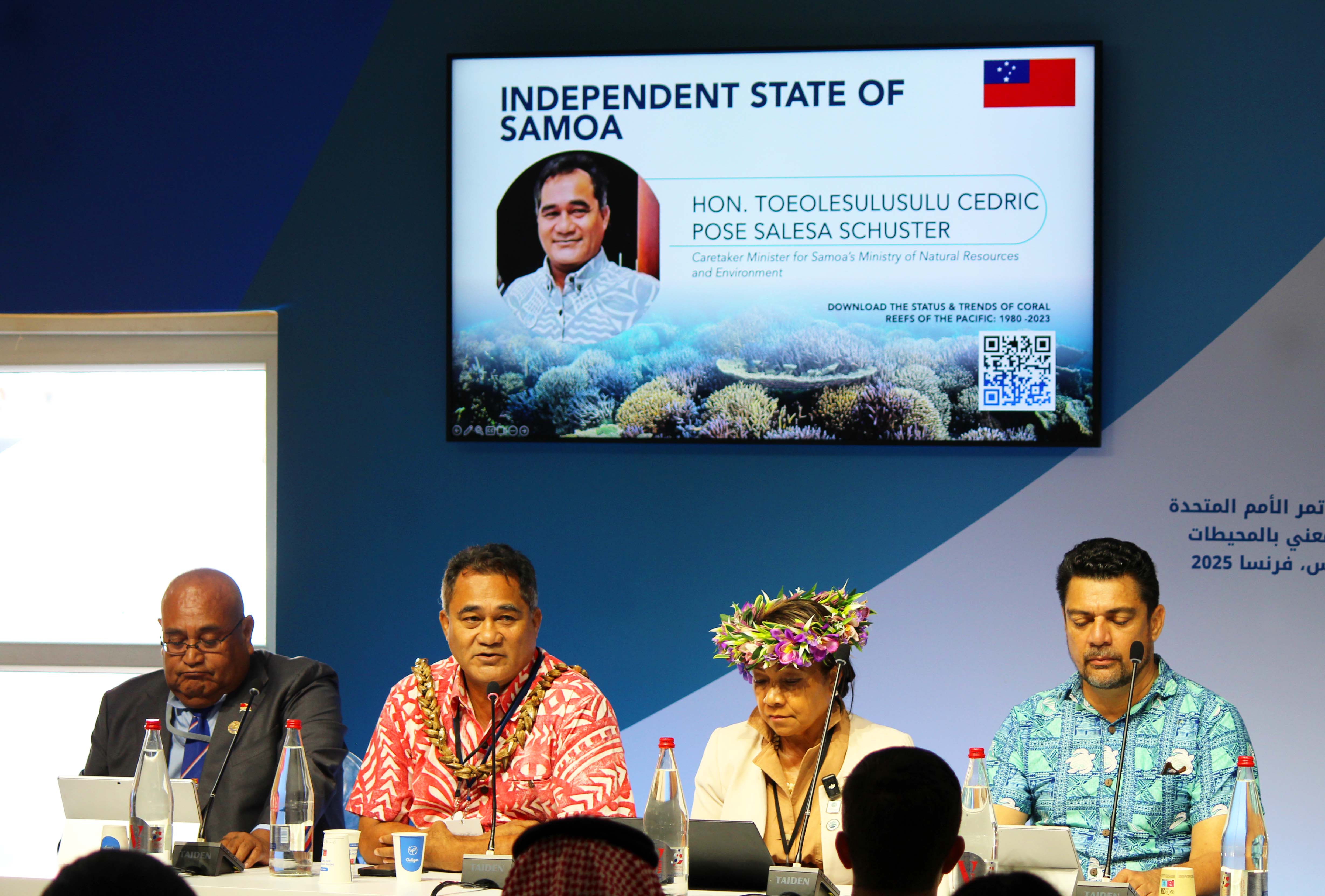

Samoa
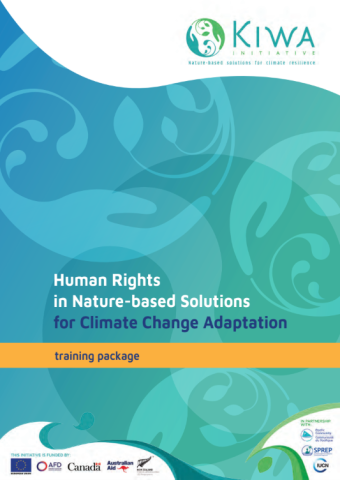
This training package was developed by SPREP and the Kiwa Initiative to enhance the capacity of professionals in the Pacific region to integrate human rights into NbS projects for climate change adaptation.
Key contents include:
- Module 1: Introduction to the relationship between human rights and NbS. NbS is defined as actions that protect, sustainably manage, and restore ecosystems to address societal challenges while benefiting biodiversity and human well-being. The document identifies 12 essential human rights that should be considered in projects, including: the right to non-discrimination and gender equality, the rights of persons with disabilities, the right to access clean water, food, shelter, health, employment, democratic governance, the rights of indigenous peoples, intergenerational equity, and the right to live without conflict.
- Module 2: Provides tools for assessing human rights risks to help professionals identify and mitigate potential negative impacts when implementing projects. This risk assessment is a crucial component of the Environmental and Social Management System (ESMS), helping to ensure projects comply with ethical standards and protect vulnerable groups.
The core objectives of the training package are:
- To build practical knowledge and skills on the link between human rights and NbS.
- To promote a human rights-based approach (HRBA), with particular emphasis on integrating gender equality, disability and social inclusion (GEDSI) to ensure projects deliver equitable benefits and leave no one behind.
Download