

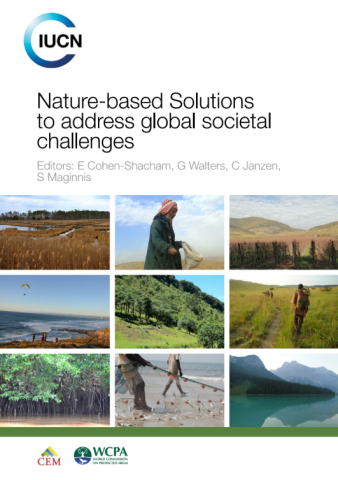
The report defines NbS as actions aimed at protecting, sustainably managing, and restoring natural or rehabilitated ecosystems to effectively address societal challenges (such as climate change, food/water security, and natural disasters) while benefiting humans and biodiversity.
Key aspects of NbS:
Overall concept: NbS is a comprehensive concept encompassing many ecosystem-related approaches, including ecological restoration, ecoengineering, green infrastructure, ecosystem-based management, and regional conservation.
Operating principles: NbS interventions must adhere to conservation standards, be context-aware, promote broad participation, maintain biodiversity, and balance immediate economic benefits with the ability to provide long-term ecosystem services.
Operating Framework: The report proposes five operating parameters to assess the effectiveness and sustainability of NbS: ecological complexity, long-term stability, scale of ecological organization, direct social benefits, and adaptive governance.
Applications and Significance:
NbS is not a replacement for conventional engineering solutions but can be combined to achieve greater effectiveness.
Case studies from the US, Japan, Rwanda, Ecuador, Jordan, Costa Rica, Spain, and the Guatemala/Mexico region show that NbS enhances community resilience to natural disasters, improves livelihoods, and ensures water security.
Agreeing on an operating framework is a necessary step to standardize, scale up implementation, and strengthen the impact of NbS in addressing global challenges.