This project is implemented by WWF-Vietnam with support from the Australian Government's "Climate Resilient by Nature" initiative, aiming to help farmers transition to environmentally friendly farming practices.
Context and Challenges:
The Lang Sen Wetland Reserve (Vietnam's 7th Ramsar site) is facing risks from intensive three-crop rice cultivation.
The construction of dikes for three-crop rice production disrupts natural flood flows, leading to soil fertility degradation and pollution from pesticides/fertilizers.
Solution: Floating Rice Cultivation
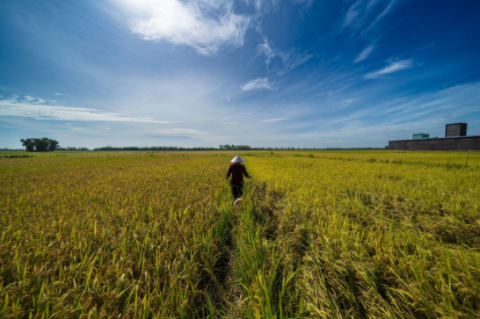
- WWF-Vietnam is supporting farmers in returning to floating rice cultivation – a flood-adapted rice variety that can grow up to three meters tall and does not require dikes.
- This model does not use fertilizers or pesticides; silt from floodwaters acts as a natural fertilizer, helping the soil to recover.
- Farmers can combine fish farming in rice paddies, creating additional income and reducing the burden of costs and labor compared to high-yield rice varieties.
Economic efficiency and potential:
- Farmers are organized into cooperatives to manage production and agricultural product consumption.
- Although the yield of floating rice is lower than that of high-yield varieties, the savings in input costs and environmental value offer great potential.
- Products from floating rice (such as rice, rice milk, vermicelli, and flour) are being sold domestically and are expanding into international markets such as Germany and the United Kingdom.
- By connecting farmers with businesses and investors, the project demonstrates that a natural farming model can both restore the ecosystem and create sustainable livelihoods for the people.
Download