
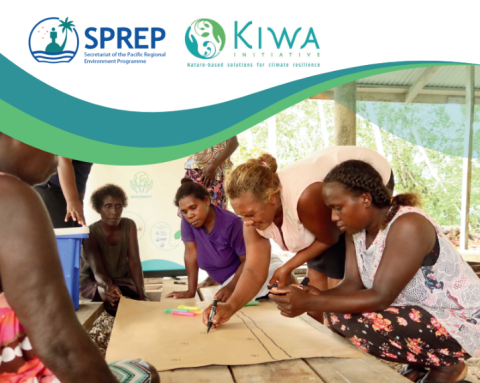
This report focuses on integrating the Gender Equality, Persons with Disabilities and Social Inclusion (GEDSI) principles into Nature-Based Solutions (NbS) to address climate change and biodiversity loss in the Pacific region. Incorporating GEDSI principles into NbS helps ensure that the needs and perspectives of all stakeholders, particularly vulnerable groups, are considered and addressed from the outset of the project.
The report identifies seven core principles for integrating GEDSI into NbS projects:
- **Voluntary, Informed, and Voluntary Consensus (FPIC):** Ensuring communities have the right to consent to or reject projects that affect them.
- **Integrated Inclusion of Marginalized Groups:** Removing barriers to participation for everyone, regardless of gender or disability.
- **GEDSI Analysis:** Utilizing disaggregated data (by gender, age, etc.) to design equitable projects.
- Empowering women economically: Creating conditions for women to participate in the economy and make decisions.
- Developing a GEDSI strategy for the project: Ensuring mechanisms are in place to consider the needs of vulnerable groups.
- Building a GEDSI practice community: Promoting collaboration and knowledge sharing among stakeholders.
- Collaborating with experts: Improving the inclusion of people with disabilities through expertise.
Key lessons learned include:
- The GEDSI strategy needs to be comprehensive, flexible, relevant to the real context, and adequately resourced.
Capacity building requires long-term investment through training, mentoring, and coaching, rather than one-time training. - Leveraging community cultural values to support inclusion, while being willing to change outdated norms to remove barriers.
- Prioritizing the voices of vulnerable groups makes NbS solutions more effective and sustainable.
- Breaking down gender stereotypes and empowering women economically are key to creating sustainable change.
Download